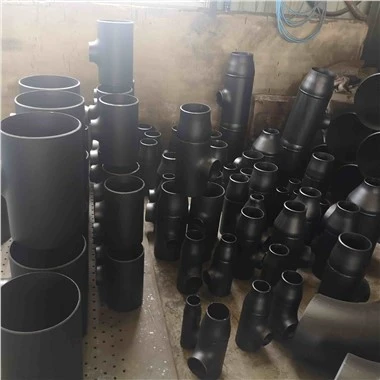

Vibration is a common phenomenon in various industrial applications where threaded flanges are used. As a threaded flange supplier, understanding how vibration affects the performance of threaded flanges is crucial for ensuring the reliability and safety of piping systems. In this blog, we will explore the different ways vibration can impact the performance of threaded flanges and discuss some measures to mitigate these effects.
1. Basics of Threaded Flanges
Threaded flanges are a type of flange that can be easily installed on pipes by screwing them onto the threaded ends of the pipes. They are widely used in low - pressure and small - diameter piping systems due to their simplicity and cost - effectiveness. There are different materials available for threaded flanges, such as Alloy Steel Threaded Flange, Stainless Steel Threaded Flange, and Carbon Steel Threaded Flange. Each material has its own unique properties, which can influence how the flange responds to vibration.
2. Effects of Vibration on Threaded Flanges
2.1 Loosening of Threads
One of the most significant effects of vibration on threaded flanges is the loosening of threads. When a threaded flange is subjected to vibration, the cyclic forces can cause the threads to gradually unwind. This is because the vibration can disrupt the frictional forces that hold the threads together. As the threads loosen, the flange may no longer provide a tight seal, leading to potential leakage of the fluid or gas in the piping system. The risk of thread loosening is higher in applications with high - frequency and high - amplitude vibrations.
2.2 Fatigue Failure
Vibration can also induce fatigue in the threaded flanges. The cyclic loading caused by vibration creates alternating stresses in the flange material. Over time, these alternating stresses can lead to the initiation and propagation of cracks in the flange. Fatigue failure is a serious concern as it can result in sudden and catastrophic failure of the flange, which can have severe consequences for the entire piping system and the surrounding environment. The susceptibility to fatigue failure depends on factors such as the material properties of the flange, the magnitude and frequency of vibration, and the design of the flange.
2.3 Wear and Tear
Continuous vibration can cause wear and tear on the threads of the flange. The relative movement between the mating threads due to vibration can lead to abrasion, which can reduce the thread engagement and the strength of the connection. As the threads wear, the flange may become more prone to loosening and leakage. Additionally, wear can also affect the surface finish of the threads, which can further reduce the frictional forces between the threads and increase the risk of loosening.


2.4 Impact on Sealing Performance
The sealing performance of a threaded flange is crucial for preventing leakage. Vibration can have a negative impact on the sealing performance in several ways. Firstly, as mentioned earlier, the loosening of threads can lead to gaps between the flange and the pipe, allowing fluid or gas to escape. Secondly, the wear and tear on the threads can damage the sealing surfaces, reducing the effectiveness of the seal. Moreover, the cyclic movement caused by vibration can also disrupt the gasket (if used) between the flanges, further compromising the sealing performance.
3. Factors Influencing the Impact of Vibration
3.1 Vibration Characteristics
The magnitude, frequency, and direction of vibration play a significant role in determining the impact on threaded flanges. High - amplitude vibrations are more likely to cause loosening, fatigue failure, and wear compared to low - amplitude vibrations. Similarly, high - frequency vibrations can induce more rapid fatigue and wear. The direction of vibration can also affect the response of the flange. For example, vibrations in the axial direction of the pipe may have a different effect on the flange compared to vibrations in the radial direction.
3.2 Flange Material
Different flange materials have different responses to vibration. For instance, alloy steel flanges may have better fatigue resistance compared to carbon steel flanges due to their higher strength and toughness. Stainless steel flanges, on the other hand, are more resistant to corrosion, which can be beneficial in environments where vibration - induced corrosion may occur. The material's hardness, ductility, and fatigue properties all influence how the flange withstands vibration.
3.3 Flange Design
The design of the threaded flange can also affect its performance under vibration. Flanges with a larger thread pitch may be more prone to loosening compared to those with a smaller thread pitch. Additionally, the number of threads engaged and the thread form can impact the strength and stability of the connection. A well - designed flange with proper reinforcement and a suitable thread design can better withstand the effects of vibration.
4. Mitigation Measures
4.1 Thread Locking Devices
To prevent the loosening of threads due to vibration, thread locking devices can be used. These devices include lock washers, thread - locking adhesives, and self - locking nuts. Lock washers work by creating additional friction between the nut and the flange, which helps to prevent the threads from unwinding. Thread - locking adhesives are applied to the threads before assembly and harden to form a strong bond between the threads, preventing loosening. Self - locking nuts have a built - in mechanism that provides additional resistance to vibration - induced loosening.
4.2 Dampening Techniques
Dampening techniques can be employed to reduce the amplitude of vibration. This can include the use of vibration isolators, such as rubber mounts or spring - based isolators. These isolators absorb and dissipate the energy of vibration, reducing the amount of vibration transmitted to the threaded flanges. Additionally, adding mass to the piping system or using damping materials can also help to reduce vibration levels.
4.3 Material Selection
Choosing the right material for the threaded flange is essential for minimizing the impact of vibration. As mentioned earlier, materials with high strength, good fatigue resistance, and appropriate hardness can better withstand vibration. For example, in applications with high - vibration levels, alloy steel or stainless steel flanges may be more suitable than carbon steel flanges.
4.4 Regular Inspection and Maintenance
Regular inspection and maintenance are crucial for ensuring the long - term performance of threaded flanges under vibration. Inspections should include checking for signs of thread loosening, wear, and fatigue. Any damaged or worn - out flanges should be replaced promptly. Additionally, proper torqueing of the flanges during installation and re - torquing during maintenance can help to maintain the integrity of the connection.
5. Conclusion
Vibration can have a significant impact on the performance of threaded flanges, including loosening of threads, fatigue failure, wear and tear, and reduced sealing performance. As a threaded flange supplier, it is our responsibility to provide customers with high - quality flanges and offer solutions to mitigate the effects of vibration. By understanding the factors that influence the impact of vibration and implementing appropriate mitigation measures, we can ensure the reliability and safety of piping systems.
If you are in need of threaded flanges for your project or have any questions about how to deal with vibration in your piping system, we are here to help. Contact us to discuss your specific requirements and explore the best solutions for your application.
References
- ASME B16.5 - Pipe Flanges and Flanged Fittings
- ISO 7005 - Metallic Flanges for Piping
- Machinery's Handbook, 31st Edition