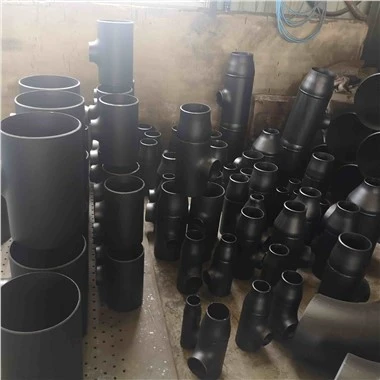

Hey there! As a supplier of LSAW Line Pipe, I've been dealing with all sorts of questions about these pipes. One of the most common concerns is how to prevent creep in LSAW Line Pipe. Creep is a big deal because it can seriously affect the performance and lifespan of the pipes. So, in this blog, I'm gonna share some anti - creep measures for LSAW Line Pipe.
Understanding Creep in LSAW Line Pipe
Before we jump into the anti - creep measures, let's quickly understand what creep is. Creep is the gradual deformation of a material under a constant load over time. In the case of LSAW Line Pipe, factors like high temperature, high pressure, and long - term service can lead to creep. This deformation can cause the pipe to lose its structural integrity, leading to leaks or even pipe failure. And that's a nightmare for any project using these pipes.
Material Selection
The first and most fundamental anti - creep measure is choosing the right material. High - quality materials with good creep resistance are a must. For example, API 2B Q235C LSAW CARBON ROUND STEEL PIPE is a great option. It's made of carbon steel that has been carefully processed to have better resistance to creep. The composition of the steel is optimized to withstand high temperatures and pressures without significant deformation.


Another option is API 5L X52 Steel Pipe. This pipe is known for its excellent mechanical properties and good creep resistance. The steel in this pipe has a fine - grained structure, which helps in reducing the rate of creep. When you're selecting the material, make sure to consider the specific operating conditions of the pipeline, such as temperature, pressure, and the type of fluid being transported.
Heat Treatment
Heat treatment is a crucial step in enhancing the creep resistance of LSAW Line Pipe. By subjecting the pipes to specific heat treatment processes, we can improve their microstructure and mechanical properties. For example, normalizing can refine the grain size of the steel, which in turn increases its strength and creep resistance. Quenching and tempering can also be used to achieve a balance between hardness and toughness, making the pipe more resistant to creep.
During heat treatment, it's important to control the heating and cooling rates precisely. Any deviation from the optimal process parameters can lead to uneven microstructure and reduced creep resistance. That's why we at our company use advanced heat treatment equipment and strict quality control measures to ensure that each pipe meets the highest standards of creep resistance.
Design Optimization
The design of the LSAW Line Pipe also plays a significant role in preventing creep. A well - designed pipeline can distribute the load evenly, reducing the stress concentration at certain points. For example, proper wall thickness calculation is essential. If the wall is too thin, the pipe will be more prone to creep under high pressure. On the other hand, an overly thick wall can increase the cost without providing proportionate benefits.
In addition, the layout of the pipeline should be carefully planned. Avoiding sharp bends and sudden changes in diameter can help in reducing the stress on the pipe. A smooth and continuous flow path will also minimize the chances of creep. We can provide customized design solutions based on the specific requirements of your project to ensure the best possible anti - creep performance.
Operating Conditions Management
Controlling the operating conditions is another important anti - creep measure. High temperature and pressure are the main culprits behind creep. So, it's crucial to keep these parameters within the allowable range. For example, if the pipeline is operating at a high temperature, consider using insulation to reduce heat transfer and maintain a more stable temperature inside the pipe.
Regular monitoring of the operating conditions is also necessary. By installing sensors along the pipeline, we can continuously monitor the temperature, pressure, and other relevant parameters. If any abnormal changes are detected, immediate action can be taken to prevent creep from occurring. This proactive approach can save a lot of trouble in the long run.
Maintenance and Inspection
Regular maintenance and inspection are essential for ensuring the long - term anti - creep performance of LSAW Line Pipe. Inspections can help in detecting early signs of creep, such as small deformations or cracks. Non - destructive testing methods, like ultrasonic testing and magnetic particle testing, can be used to check the integrity of the pipe without causing any damage.
If any signs of creep are found, appropriate repair or replacement measures should be taken immediately. For minor deformations, local reinforcement can be done. In case of severe damage, the affected section of the pipe may need to be replaced. By staying on top of maintenance and inspection, we can extend the lifespan of the pipeline and prevent costly failures.
Conclusion
In conclusion, preventing creep in LSAW Line Pipe requires a comprehensive approach. From material selection to operating conditions management, every step matters. As a supplier of LSAW Welded Steel Pipe, we are committed to providing high - quality pipes with excellent anti - creep performance. We have the expertise and resources to help you choose the right pipes and implement the best anti - creep measures for your project.
If you're in the market for LSAW Line Pipe and want to learn more about our products and how we can help you prevent creep, don't hesitate to reach out. We're here to answer all your questions and assist you in making the right decisions for your pipeline project.
References
- "Handbook of Steel Pipe Engineering"
- "Creep in Structures: Theory and Applications"
- Industry standards and guidelines related to LSAW Line Pipe manufacturing and operation.