




1. When installing, first level the sand and soil and compact it with a flat vibrating tamp. The flatness, height, thickness, width and compactness of the sand cushion must meet the design requirements. Straight seam steel pipes can only be lowered after passing the inspection.

2. Straight seam steel pipes and pipe materials used in tap water pipeline projects should meet the requirements of my country's current relevant product standards and design regulations, and have factory certificates to ensure that the materials do not pollute water quality.

3. Large-diameter straight seam steel pipes should be hoisted with slings or special tools. During transportation, they should be filled and fastened, and they cannot collide with each other.
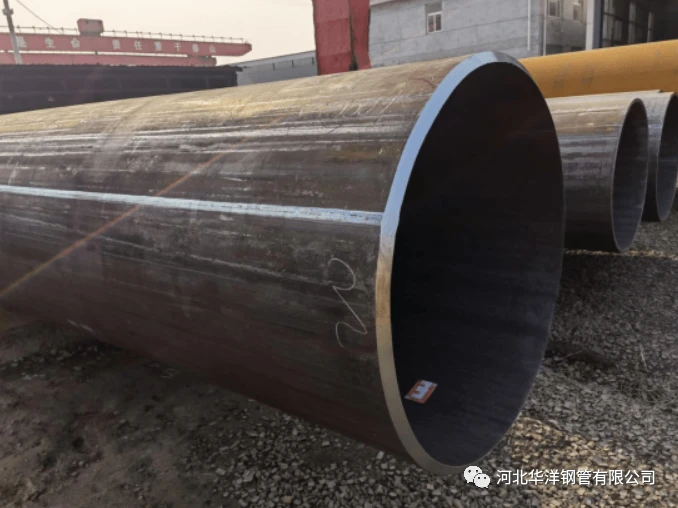
4. After checking the bottom of the tank, check the position of the pipe joints and fittings, and then lower the straight seam steel pipe. when lowering the pipe. In addition, a working pit should be dug at each joint, and the size of the working pit should be suitable for the convenient installation of pipe joints.

5. When lowering the pipeline, use two cranes to hang the two ends of the steel pipe respectively, wrap the pipe body with high-strength nylon belt, and then slowly lower it into the foundation tank.
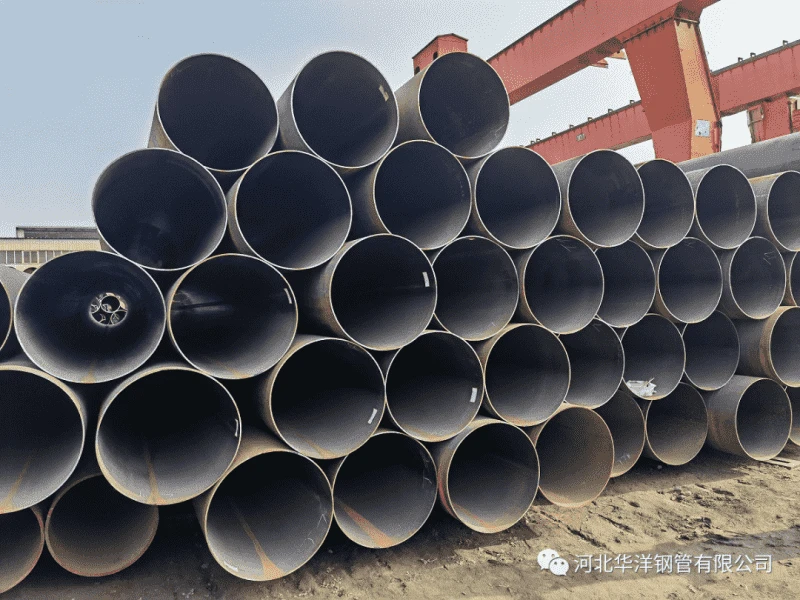
6. Cranes should be commanded by specially designated personnel. The lifting speed should be uniform, the rotation should be stable, and the lowering speed should be low. The crane should not slow down suddenly or brake suddenly.


